From Cobot experience to career launch
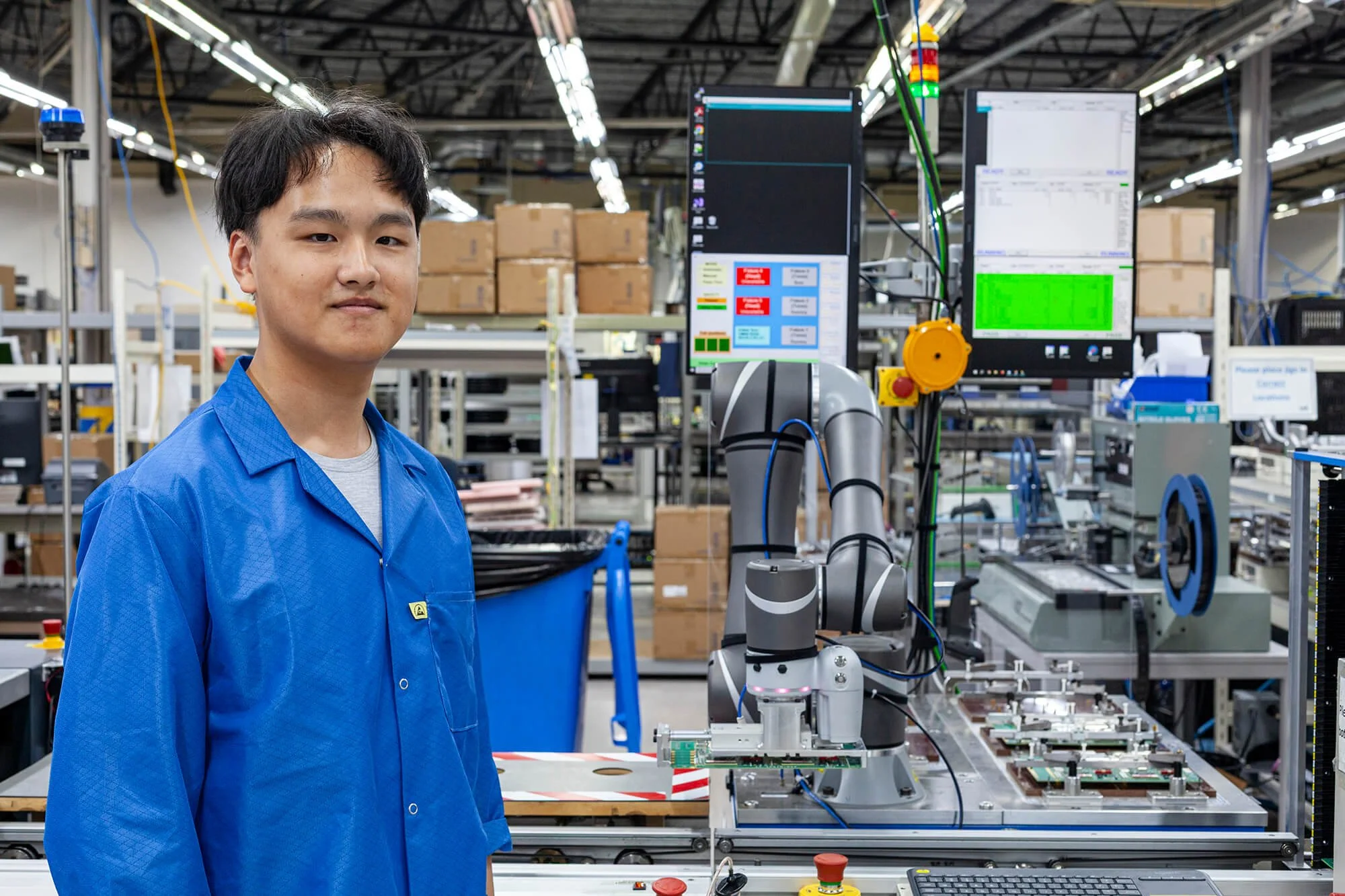
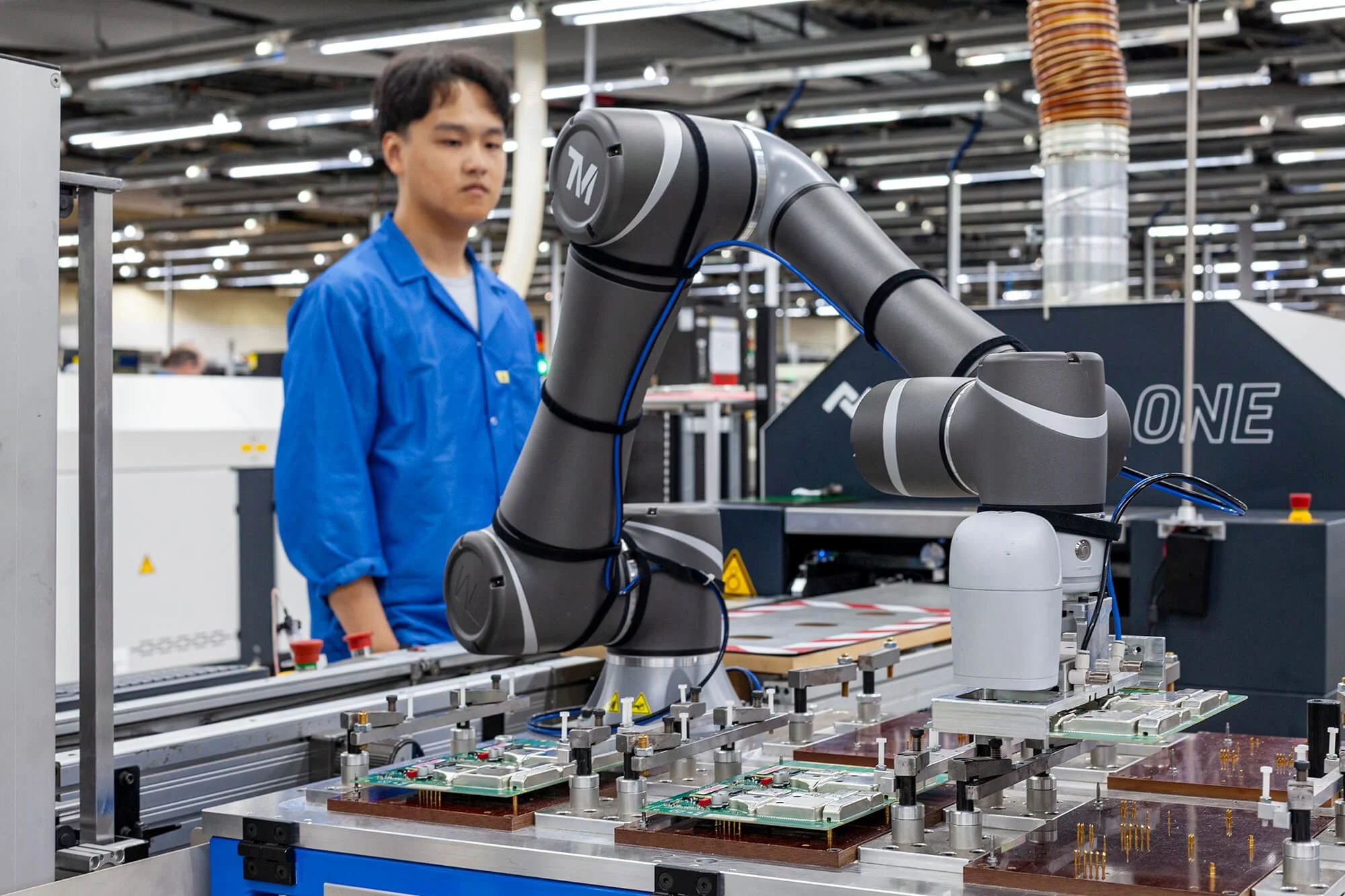
Recent graduate Leon Chen is now employed at Tait Communications, where he is putting the hands-on Cobot experience he gained at Ara Institute to work.
Our Impact
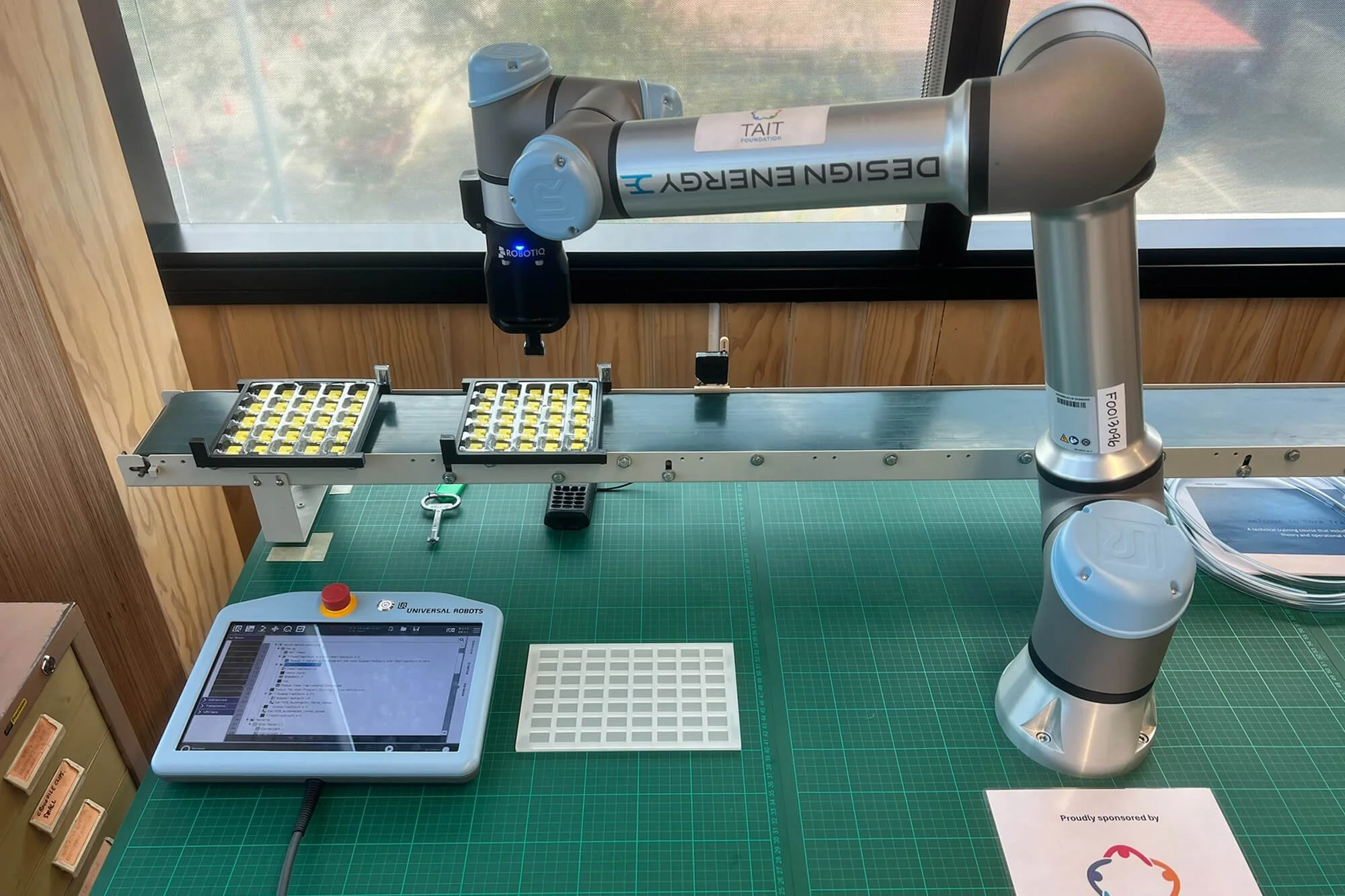
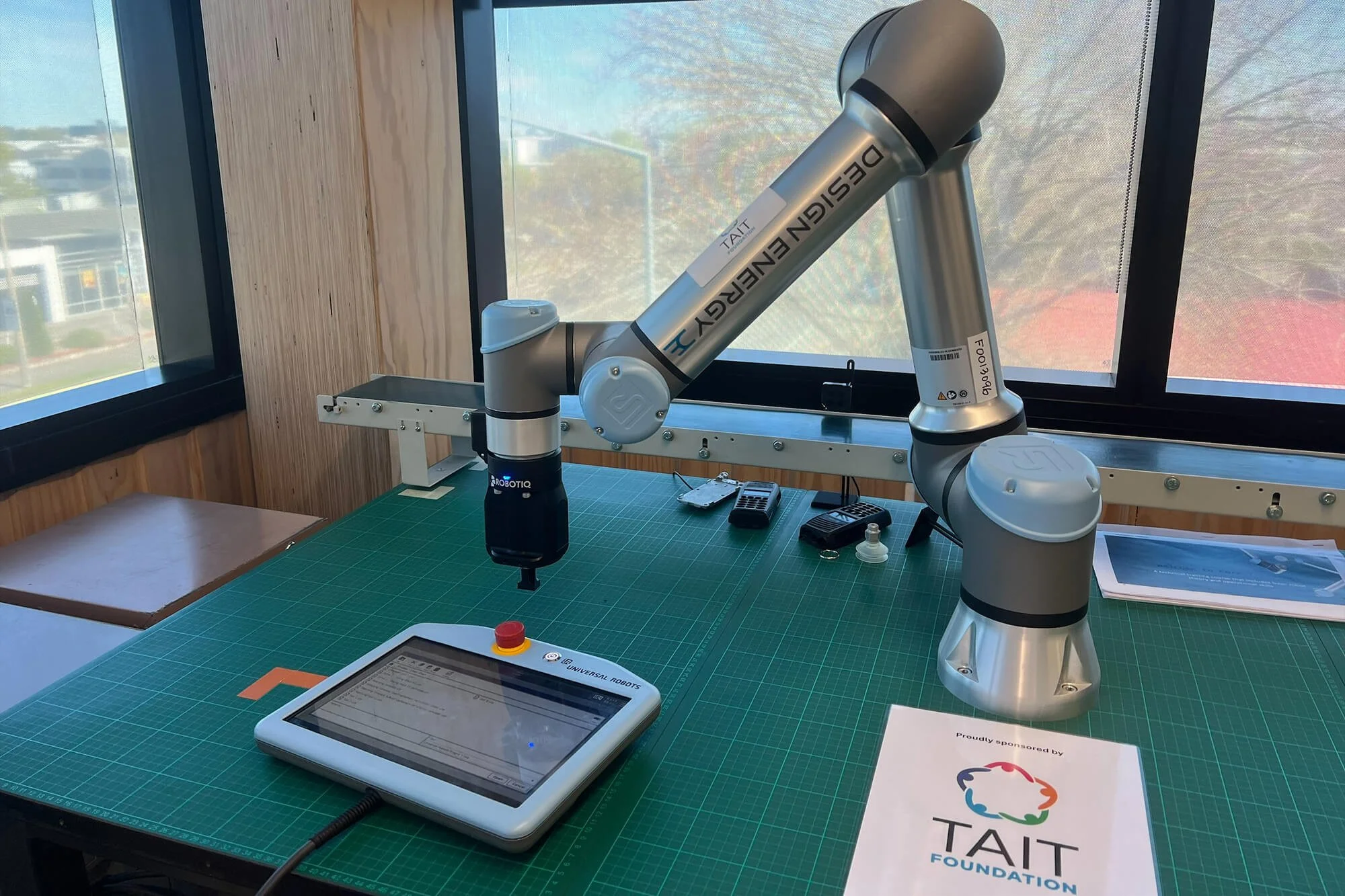
By funding a collaborative robot (Cobot) at Ara Institute, we’re helping tertiary students experience industry-standard technology and supporting their transition into the workforce.
The Story
At Ara Institute of Canterbury, a new piece of technology is helping bridge the gap between study and industry.
Funded by the Tait Foundation, the collaborative robot, or “Cobot”, is giving engineering students access to tools typically only found in manufacturing environments. For mechanical engineering graduate Leon Chen, it became the centrepiece of his final-year project and one of the highlights of his studies.
“Working with the Cobot was one of the coolest projects I’ve ever done,” says Leon. “As a student, you don’t usually get access to technology like this. It’s expensive and typically only seen at industry expos.”
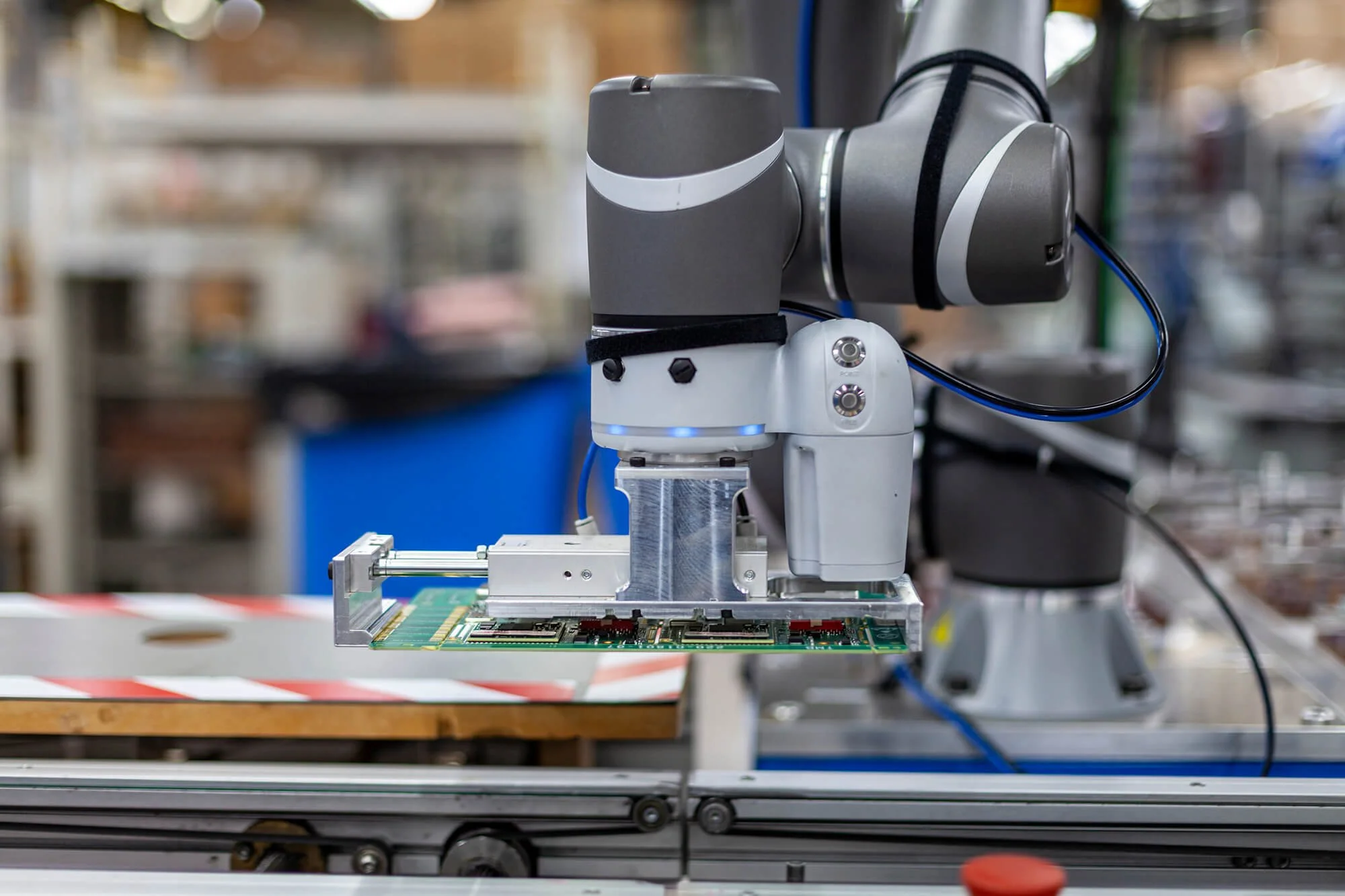
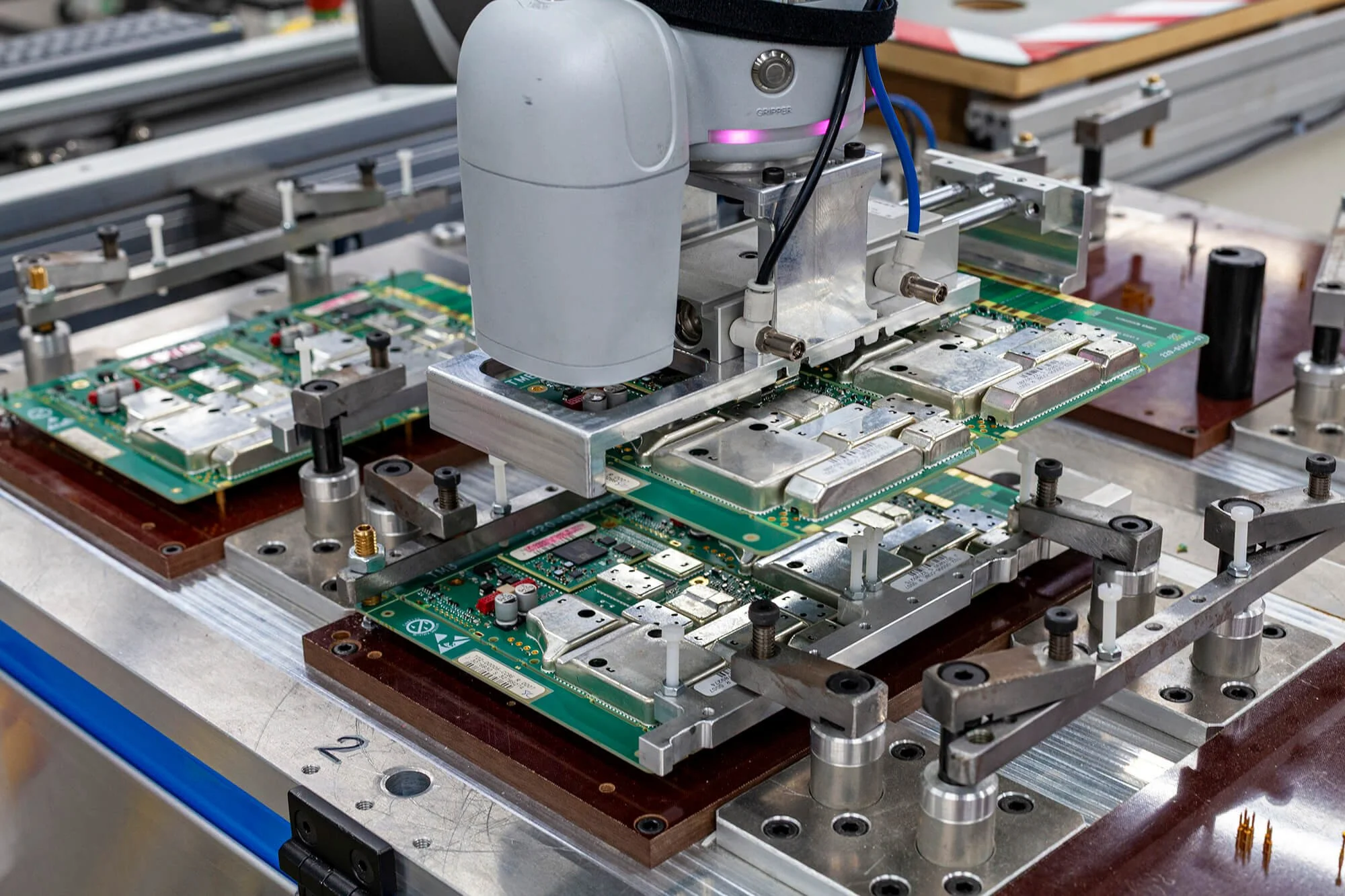
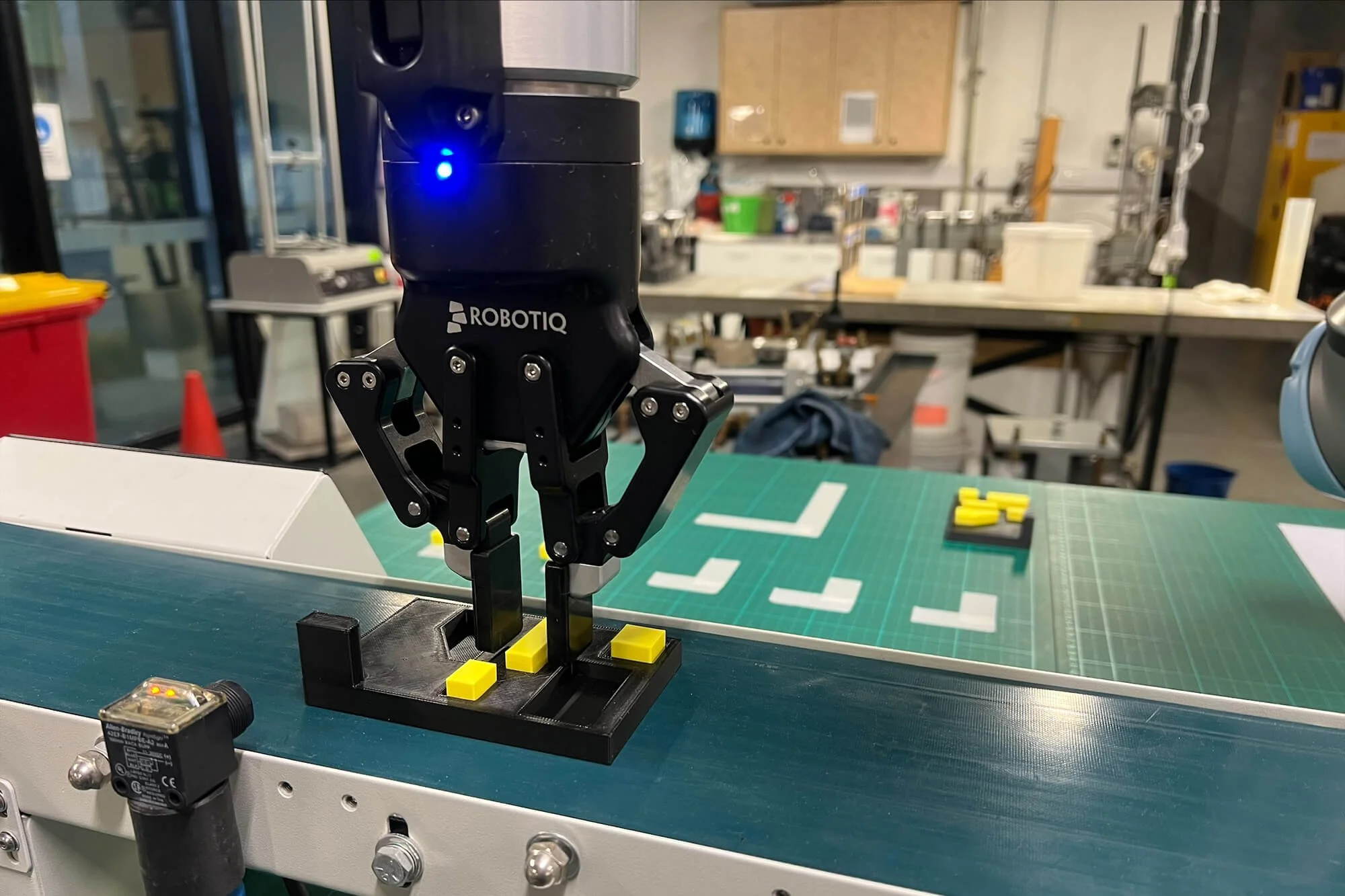
Leon’s project focused on automating part of the printed circuit board (PCB) manufacturing process. In settings like Tait Communications, small metal components are manually transferred between trays before being placed onto circuit boards. Using the Cobot, Leon undertook research to explore how this process could be automated.
“It’s a very repetitive task for workers, just picking and placing items. Cobot is well suited for that kind of work. If Cobot can do the job, workers would be freed up to focus on the more innovative parts of their work.”
Designed to work alongside humans, the Cobot can be programmed and reprogrammed quickly, making it ideal for manufacturing processes where flexibility matters. For Leon, it offered something even more valuable: the chance to connect theory with real-world application.
“With Cobot, I could write programs and actually see them working in real life. It helped me understand how programming translates into real-world machine behaviour.”
The project also created a strong link to industry. Leon invited engineers from Tait Communications to view his final presentation, and shortly after graduating, he secured a role with the company as a surface-mount technician.
“The project helped me understand manufacturing processes and motivated me to explore the industry more deeply,” he says.
In funding the Cobot, we’re helping to build bridges between STEM education and STEM careers. When students can use industry standard tools while still at university, they’re more ready (and more motivated) to move into meaningful employment.
While Leon has now finished his studies at Ara, future students will be able to continue his work with the Cobot and design their own projects.
Leon says that in addition to providing valuable experience, the Cobot also helped him identify the path he’d most like to take as he embarks on his engineering career.
“I’d like to work in research and development, solving problems and developing solutions similar to my project with Cobot. That’s the part of engineering I love most.”
The Tait Foundation is committed to supporting the transition from education to career through a range of funding initiatives. We’re excited to have played a role in Leon’s journey.