A hidden world revealed through custom-built technology
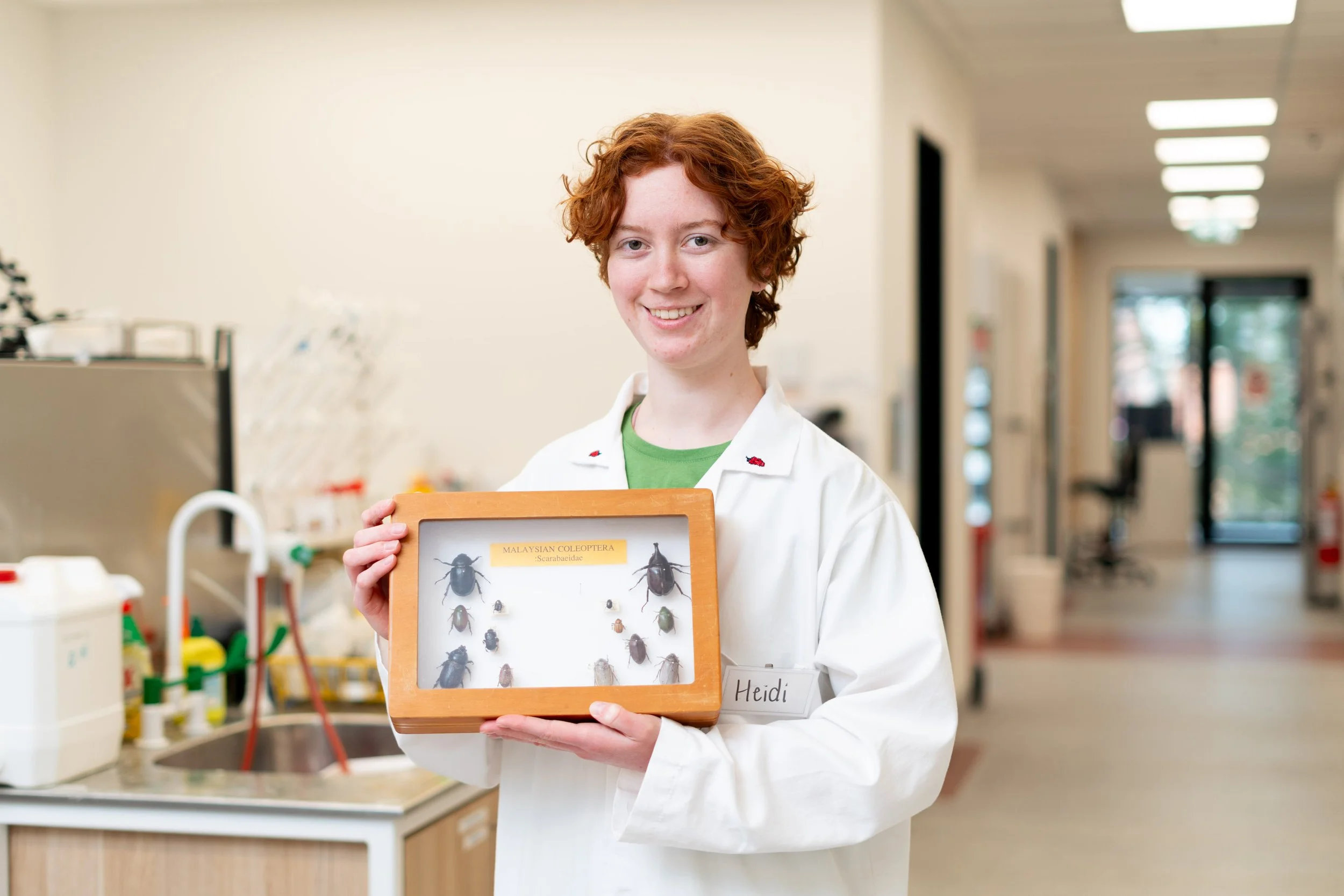
Lincoln University Masters student Heidi Allan is getting a closer look at hidden habitats, with help from custom technology and a Tait Foundation scholarship.
Our Impact
By supporting postgraduate students through the Tait Foundation scholarship programme, we’re helping emerging researchers embrace technology in their work.
The Story
High above Aotearoa’s native beech forests, a fascinating ecosystem exists largely out of sight.
For Lincoln University Master of Science student Heidi Allan, understanding what’s happening in these forest canopies has become the focus of her research and a chance to combine conservation science with innovative technology.
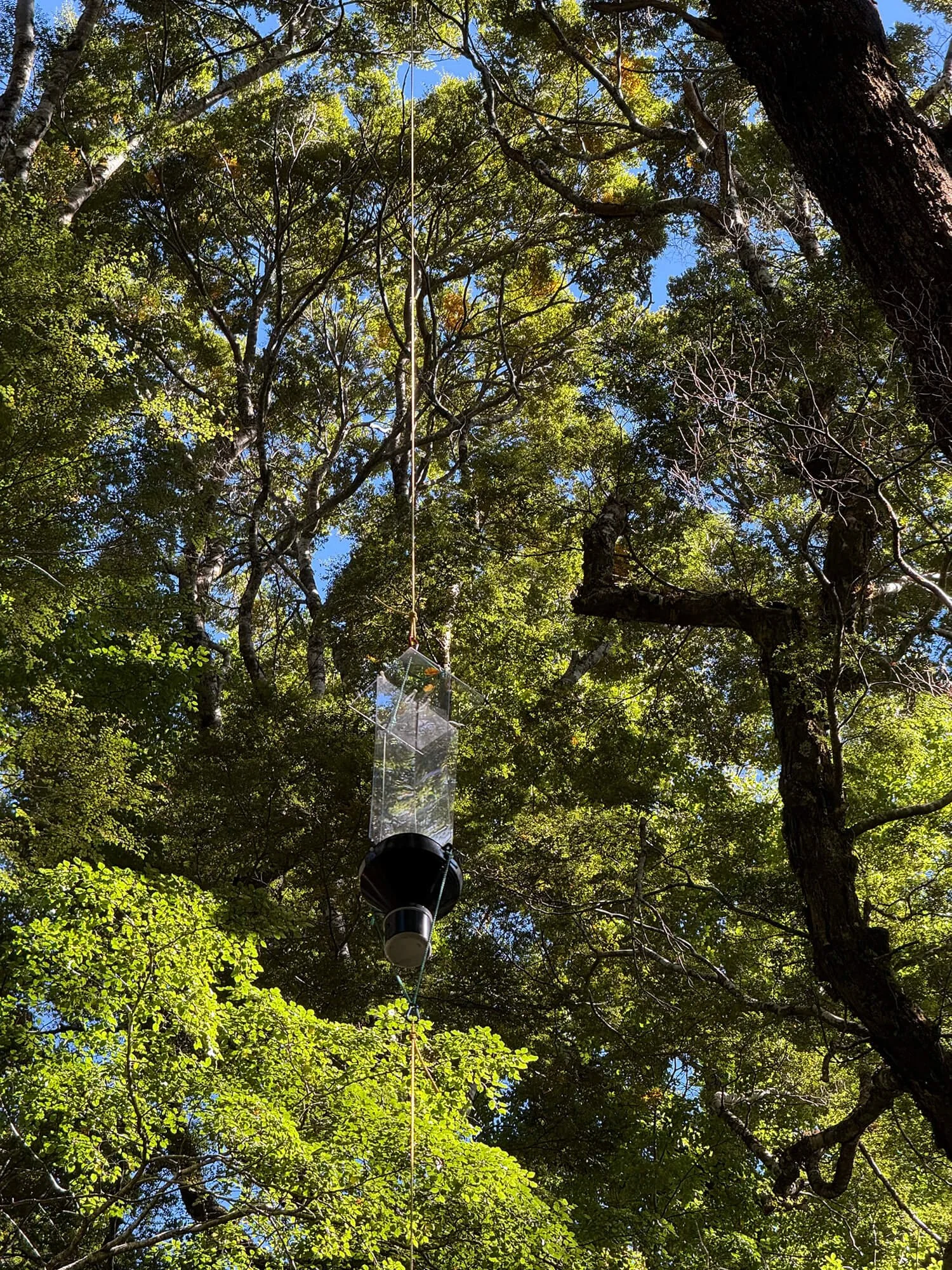
Supported by a Tait Foundation scholarship, Heidi is studying beetle populations in native forests across the South Island, comparing the insects found in the treetops with those living closer to the forest floor.
“We’ve spent less time studying treetops than we have studying the Moon,” says Heidi. “It’s a huge part of our environment that we still know very little about.”
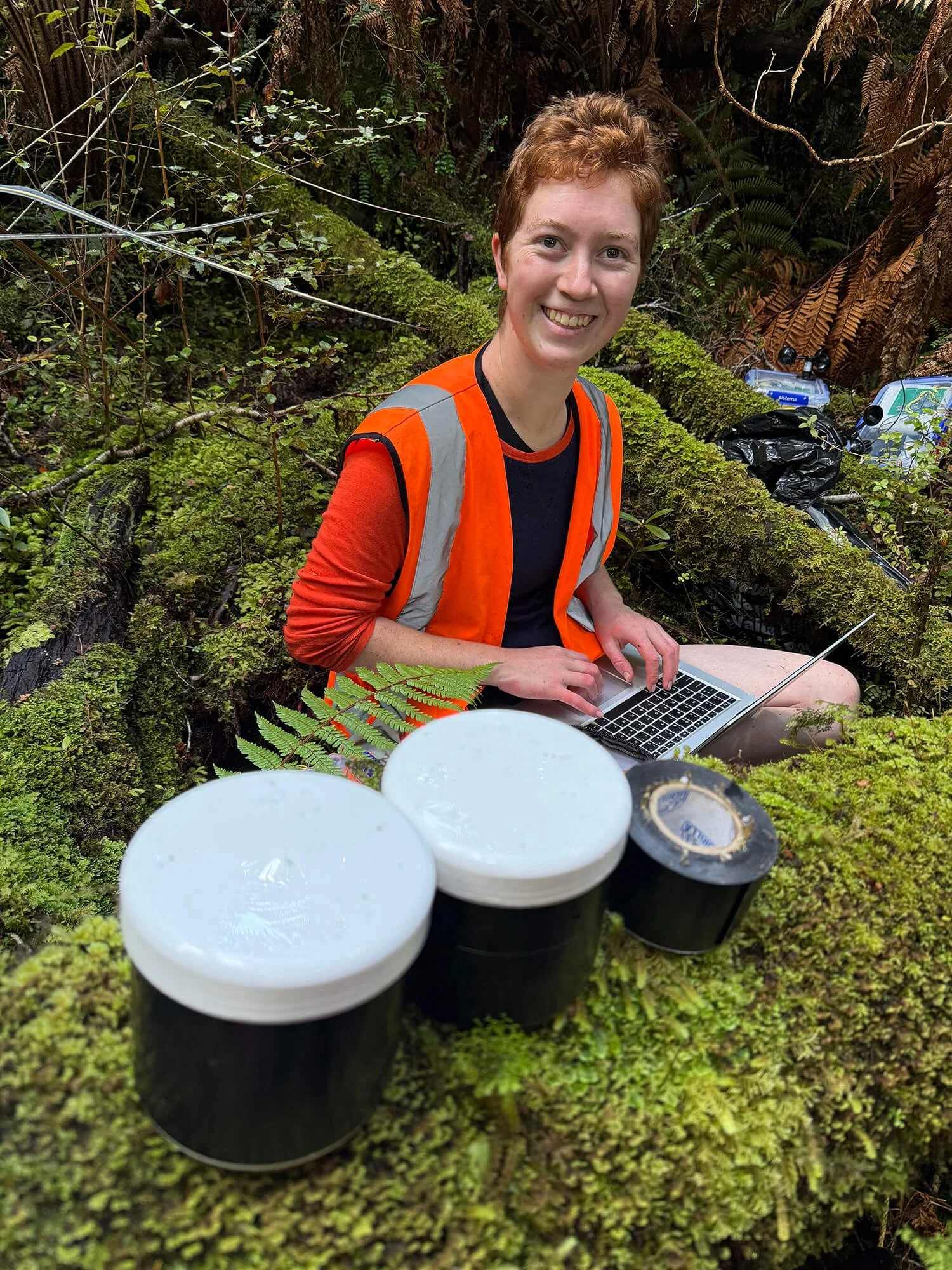
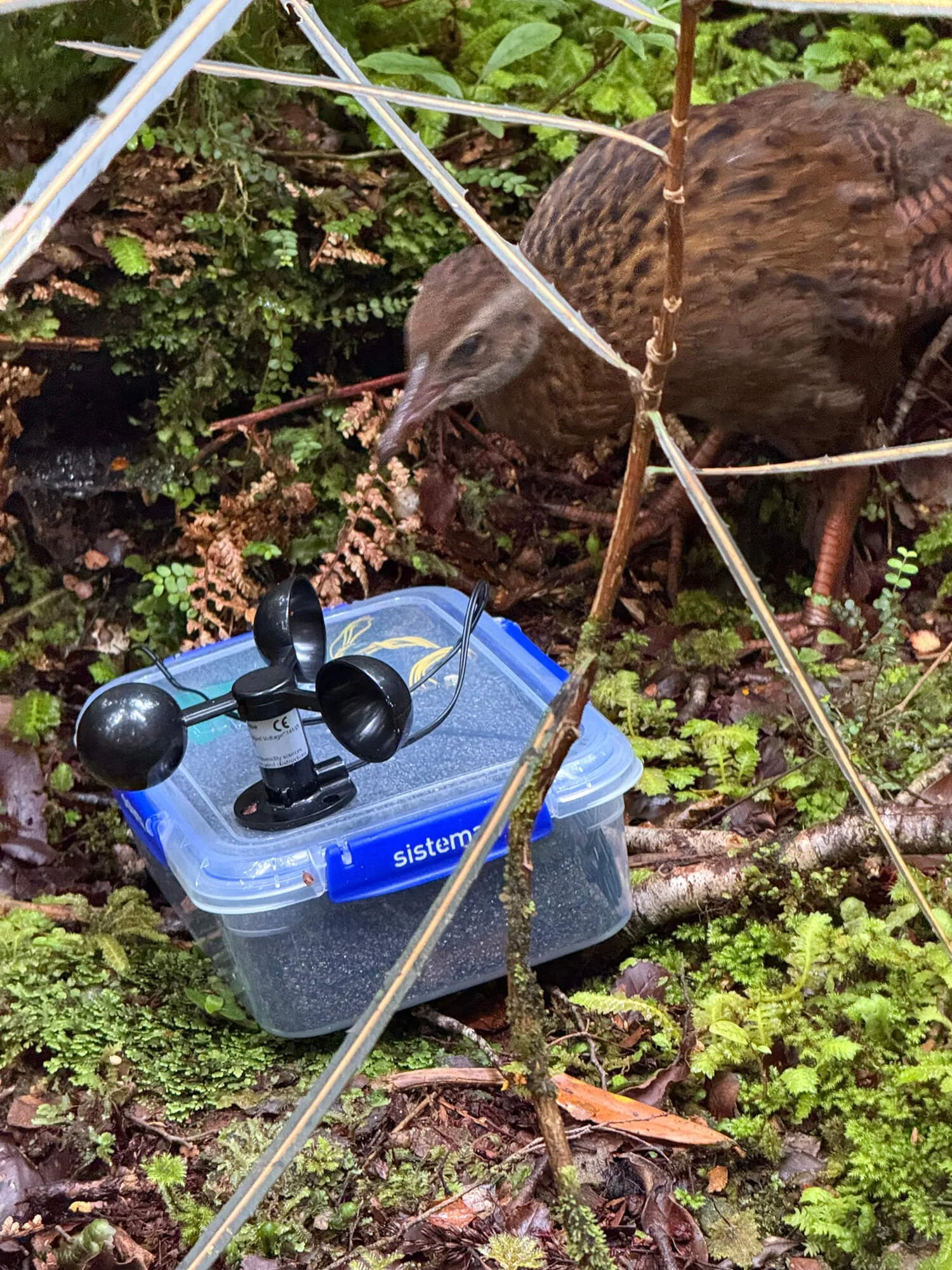
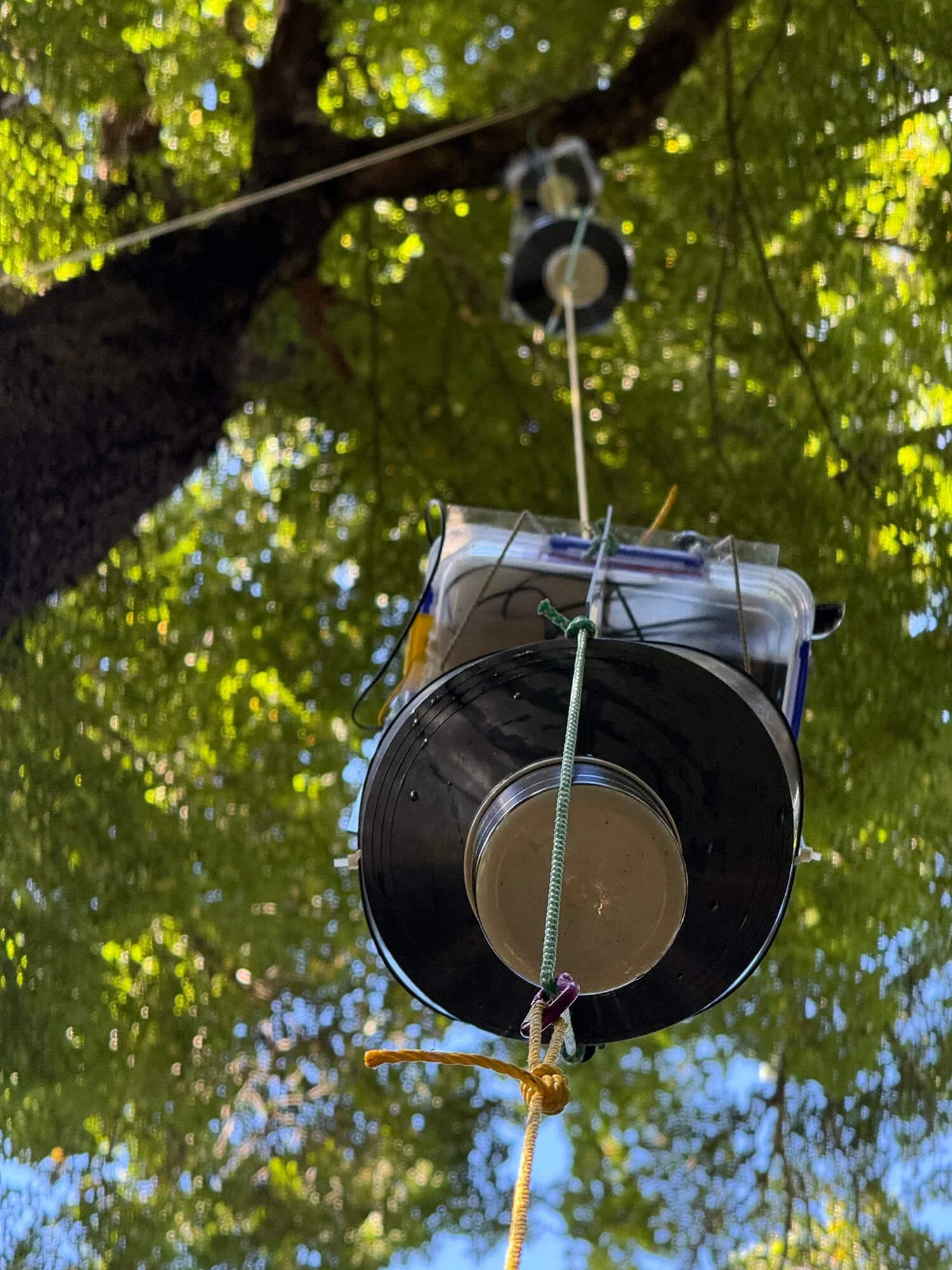
To investigate these hidden ecosystems, Heidi developed custom climate sensors capable of measuring temperature, humidity, light levels and wind speed in the forest canopy. Using a small drone fitted with VR goggles, she suspends traps and sensors high in the trees to collect both insect and climate data.
Working alongside Tait Communications engineer Alan Murray, Heidi designed and built the sensors herself using open-source Arduino technology. Access to Tait’s facilities allowed her to solder, test and refine the devices in ways that would otherwise have been difficult.
“Before this project, I had no experience with coding or hardware design,” she says. “Now I’ve developed those skills and understand what’s possible when technology and ecology come together.”
The technology has added a valuable new layer to her research. Rather than simply identifying which beetles are present, Heidi can now explore how environmental conditions influence where different species live and how they may respond to climate change in the future.
Early findings have already produced some surprises, including the discovery that several beetle species previously considered rare may actually be more widespread than scientists realised.
“Traditionally, most insect monitoring happens at ground level,” Heidi explains. “But we're missing an entire community living up in the canopy.”
Alongside supporting Heidi’s research, the Tait Foundation scholarship has also provided practical financial support throughout her studies, helping relieve the pressure many postgraduate students face.
“It’s given me the freedom to focus more fully on my research,” she says. “And it’s opened up opportunities and skills that I’ll continue using in future projects.”
Next year, Heidi will begin a PhD focused on Canterbury knobbled weevils, one of New Zealand’s rarest insects. She also hopes the climate sensors developed during her Master’s project can eventually support conservation researchers overseas.
By supporting students like Heidi, we’re helping create new connections between technology and research, while empowering the next generation of researchers to explore places we still know remarkably little about.